September 12, 2026
Recording Crew Services: Camera, Audio and Lighting
By
House of Legends Team
Updated September 15, 2026
Hiring recording crew services in Nepal starts with matching camera, audio and lighting support to the session you need.
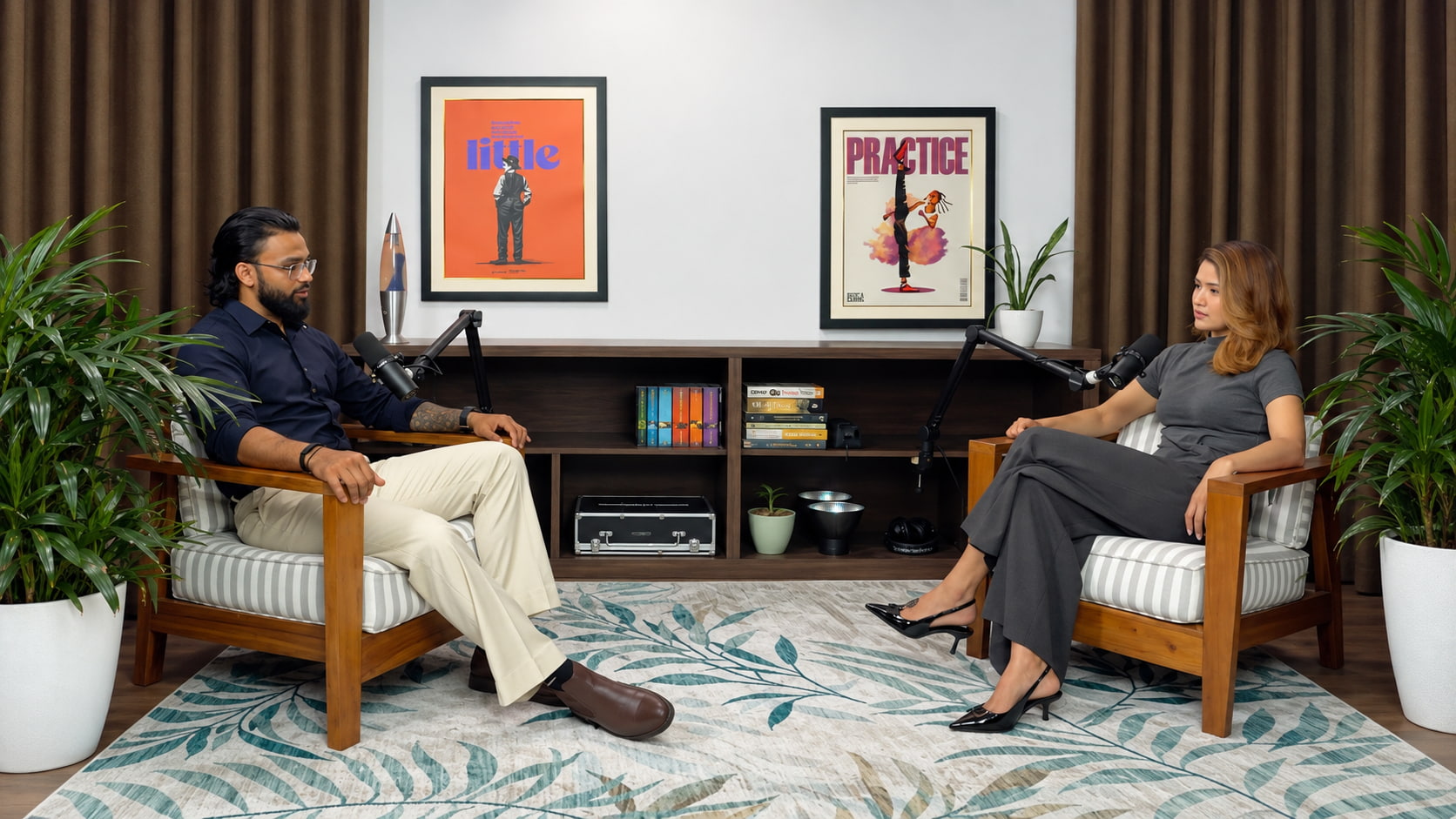
A recording can look simple from the guest’s chair: sit down and talk. Behind the camera, someone still has to watch framing, sound levels, recording status and the clock. When you hire recording crew in Nepal, agree who owns each task before the session starts. House of Legends provides a technical team for studio sessions in Paknajol, Thamel, Kathmandu.
Ask who owns each part of the recording
A list of equipment does not tell you who will monitor it. Before booking, ask who checks the microphones, watches the camera recordings and handles a problem during the session. One person may cover several responsibilities on a small shoot; the important point is that each task has a clear owner.
Do not use headcount alone to judge a proposal. A prepared two-person conversation differs from a moving demonstration or a panel with several guests. Describe the action, speaker count and recording duration so the provider can recommend appropriate support.
Camera responsibility: coverage and continuity
Camera preparation includes composition, focus, exposure, white balance, recording settings and storage checks. During a conversation, someone must notice if a speaker leans out of frame or a camera stops recording. Extra angles are useful only when they produce material the editor can use.
Ask whether the plan includes a wide shot, individual speaker angles or detail shots for a demonstration. If you need vertical clips, mention that before the session. Our multi-camera recording guide explains how coverage choices affect the final edit.
Audio responsibility: clear speech and monitoring
The audio role covers microphone selection and placement, input levels and listening during recording. A visual meter can show a signal, but listening is needed to catch cable noise, clothing contact or distracting room sounds. A short sound check with each guest helps catch problems before a long conversation.
Tell the team whether people will stay seated, turn towards one another or stand to demonstrate something. Ask what audio files are captured and how they are handed over. Separate speaker tracks, where available and agreed, can give the editor more control; do not assume they are included in every setup.
Lighting responsibility: consistency across angles
Lighting should make faces readable and support the intended mood without distracting guests. The team needs to consider glasses, reflective objects and differences between camera angles. If a product must be visible on the table, include it in the lighting test rather than adding it after recording starts.
For repeat sessions, discuss a reference frame so the look can be recreated. A consistent setup makes a series feel connected, while leaving room to adjust for a different guest or format.
Session coordination: keep the recording useful
Agree who gives the start cue, tracks the agenda and notes sections that may need another take. The host should know how to signal a pause if a question or answer needs to be repeated. A short session note can save the editor time later.
- Before recording: confirm guest count, languages, running order and outputs.
- At the sound check: test each speaker and watch the intended camera frames.
- During recording: monitor capture, note useful moments and flag technical problems.
- At handover: confirm files, editing instructions, retention arrangements and the next approval step.
Ask how the crew protects the recording
A studio workflow can combine an ATEM Mini Pro ISO for camera feeds, a RODECaster Pro II for podcast audio, monitoring headphones and SSD backup. These tools create several checks during a session, but equipment alone does not guarantee a good recording. Ask who watches levels, confirms files and handles the backup before you leave.
The handover should match the job you booked. Recording-only clients may need organised camera and audio files. Editing clients need a clear first-cut date, review process and export list. Confirm how long source files are retained and who is responsible for copying them.
Studio recording is different from off-site crew hire
A studio session starts with a prepared environment. An off-site shoot adds questions about travel, access, power, noise, equipment transport and permissions. A larger film production may also need a director, location coordination or specialist crew. These are different scopes, even when both are described as recording services in Nepal.
House of Legends offers studio recording and technical support in Kathmandu. For off-site work, share the location and requirements first; independent crew hire, nationwide travel, permits and specialist rigs are not automatically included.
Booking questions for a recording team
Can I book recording without editing?
Ask about the recording package and file handover. Confirm the session duration, setup, technical support and delivered files. If another editor will finish the work, share their file requirements before the shoot.
How many crew members do I need?
There is no fixed answer for every session. Speaker count, movement, camera plan and audio complexity determine the workload. Ask which responsibilities the proposed team will cover and who monitors the recording.
Book studio recording support in Kathmandu
Meet our House of Legends team and read the studio booking checklist. Then send your session plan with the speakers, recording duration, format and date.